150 years of Tradition and Expertise

That's what goes into every bottle of Filippo Berio® Olive Oil.

When you chose Filippo Berio® Olive Oil, you are choosing a product steeped in the tradition and expertise of our founder, Filippo Berio. To this day, olive oil remains our sole passion. It’s not just something we make; it is the only thing we make. For nearly 150 years we’ve been crafting our distinctive olive oils, while maintaining an old world flavor that stays true to the vision of our founder. Filippo Berio’s commitment to excellence is reflected in our continued, uncompromising attention to detail. Filippo Berio® is truly the first and last name in olive oil.

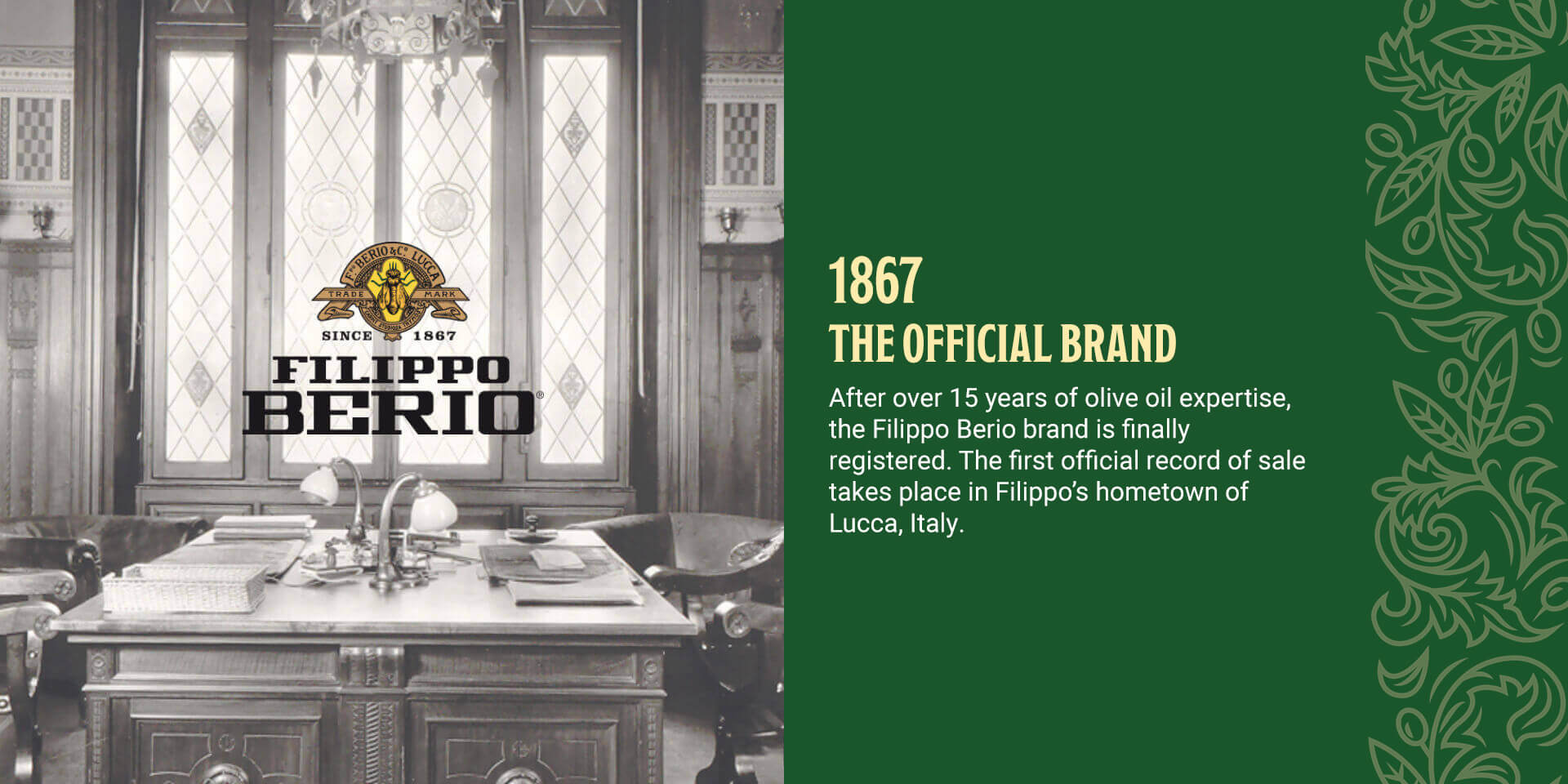
Filippo Berio was born in Genoa, Italy in 1829. Years later, his family relocated to an ancient Tuscan city nearby called Lucca, a picturesque landscape renowned for producing exceptional olive oil. It was in Lucca that Filippo Berio developed a passion for the business, as well as a commitment to keeping it in the family. And it was sometime in the early 1850s that he began selling his own fine olive oils under his name.

It didn’t take long for Filippo Berio to become widely respected as the unquestioned virtuoso of olive oil. He was renowned for insisting on personally testing and selecting the precise blend of oils sold under his name.

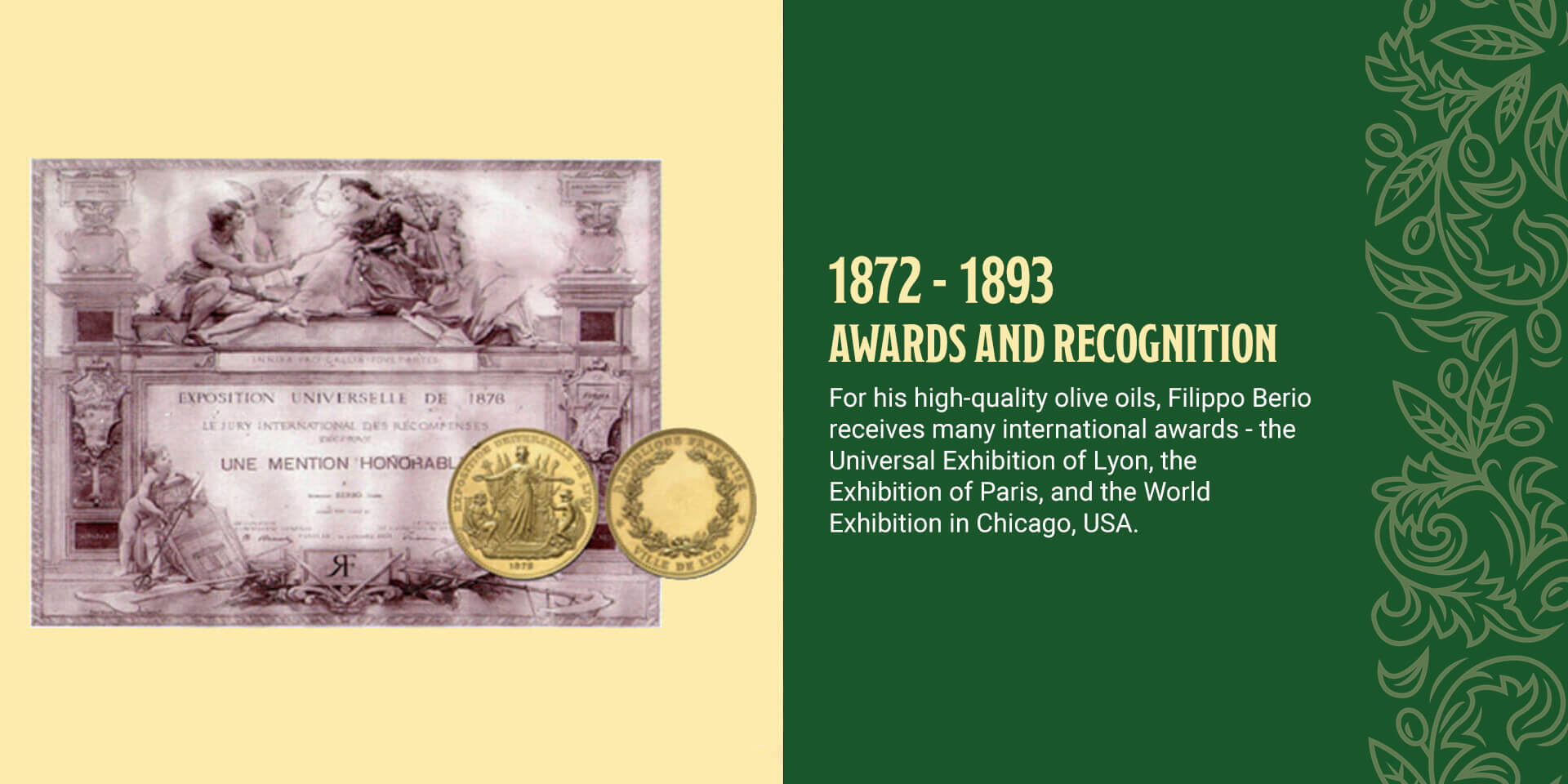
In the ensuing years, Filippo Berio® Olive Oil was to be so evocative of Tuscany that it became one of Italy's leading exported olive oils. And by 1900, Filippo Berio® Olive Oil was Italy’s #1 export brand, winning countless international awards for its exceptional quality.

Filippo Berio portrait

Our family story begins with our founder, Filippo Berio. Late in his life, he formed a partnership with businessman Giovanni Silvestrini, who helped build the business and maintain Filippo Berio’s award-winning quality standards. Following Filippo Berio's death in 1894, his daughter Albertina continued her father's partnership with Giovanni.

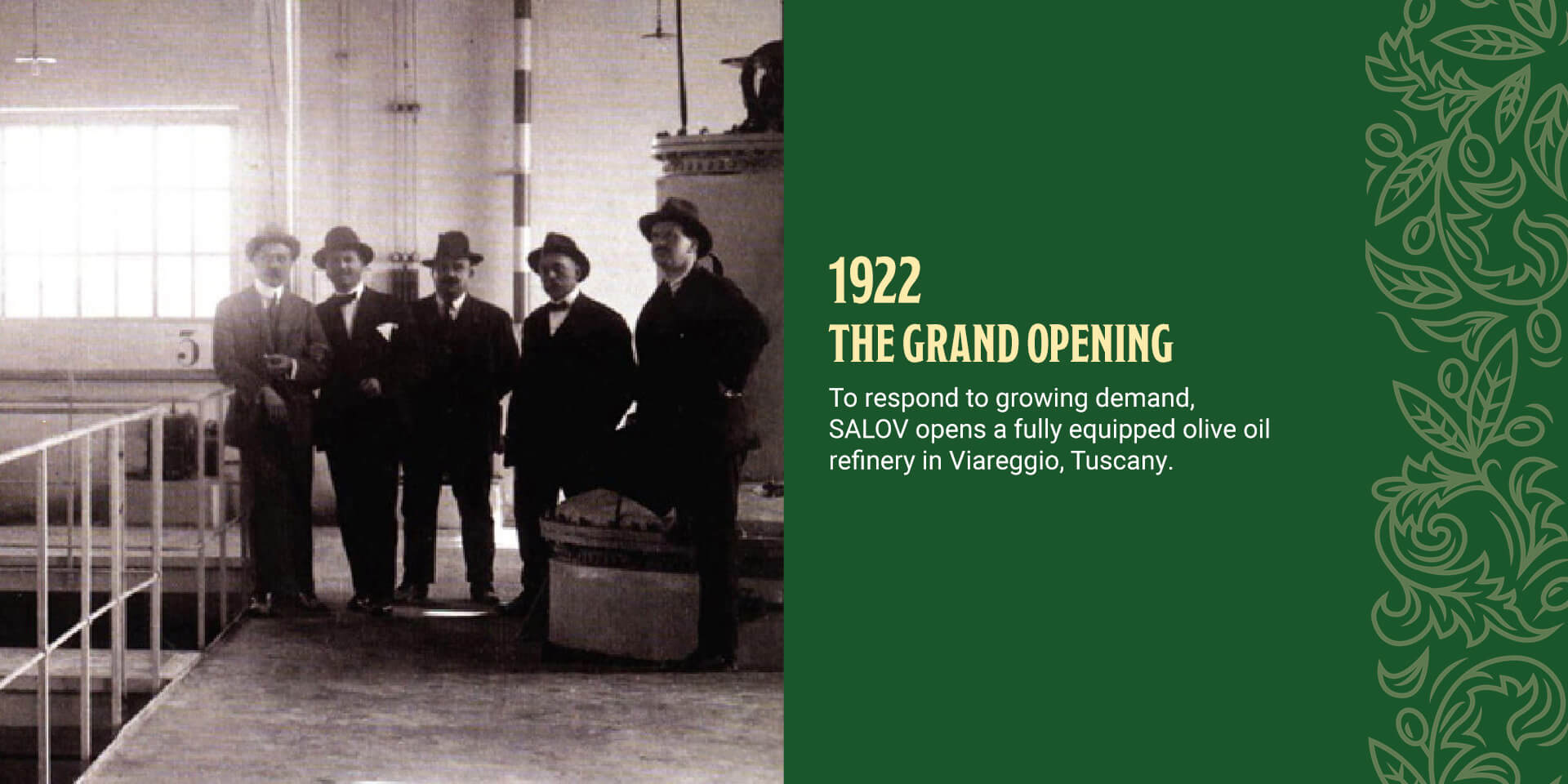
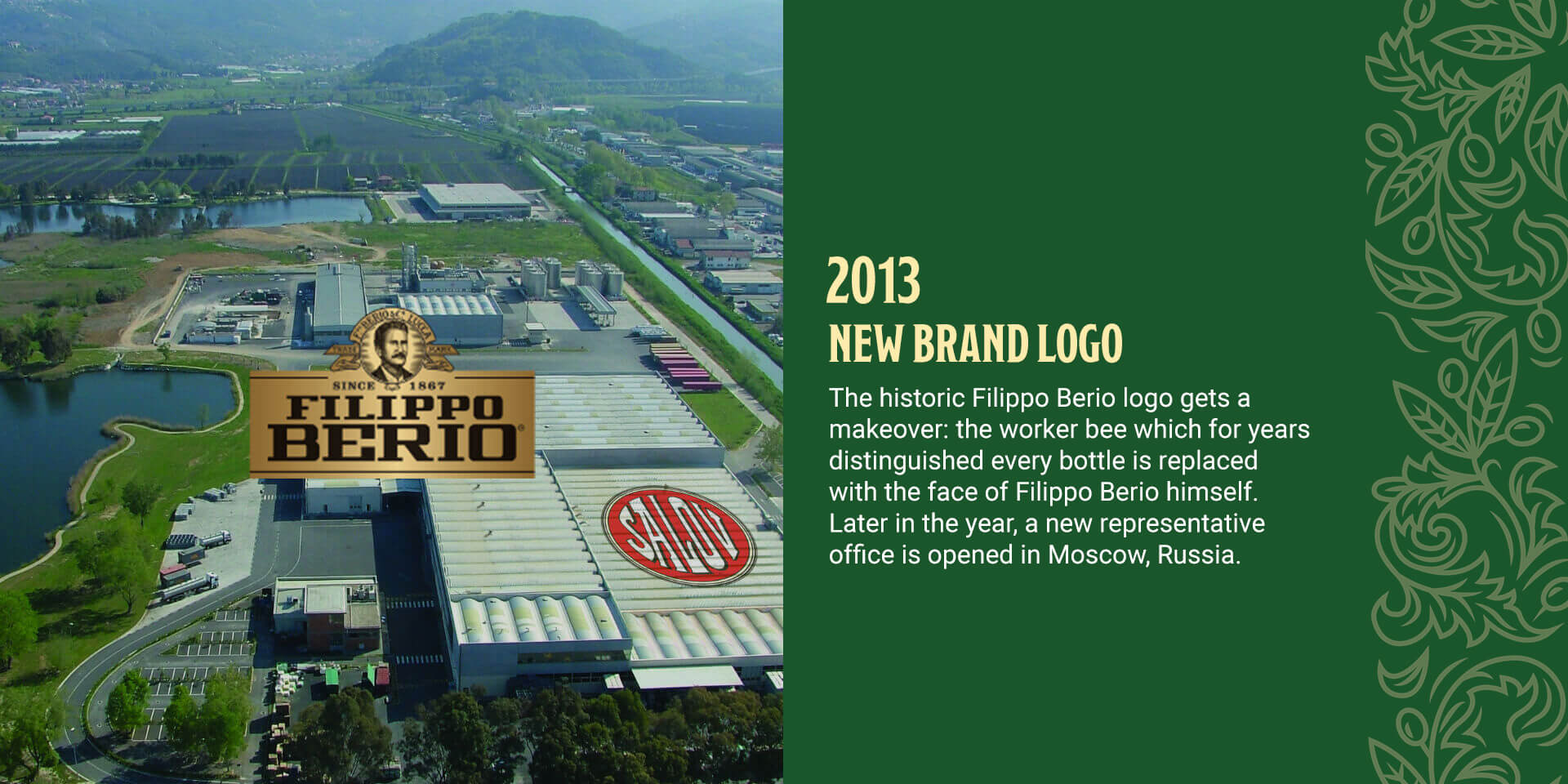
In 1919, Albertina and Giovanni teamed up with other Lucca growers and producers, including Dino Fontana, grandfather and great-grandfather of the current Filippo Berio® Olive Oil producers. They formed a new company called the Societa per Azoni Lucchese Olii e Vini (Society for Oils and Wines of the Province of Lucca), or SALOV.

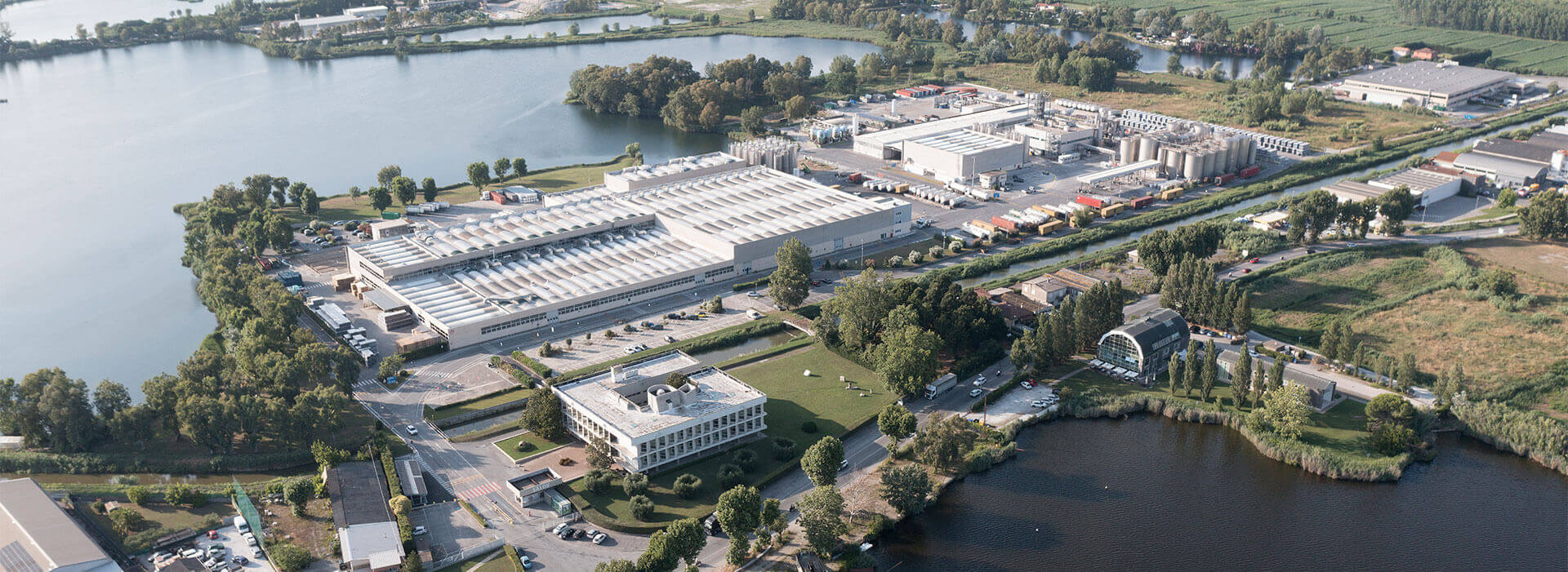
Today, SALOV markets the Filippo Berio® brand. This has allowed us to expand our reach while maintaining our roots as a family-owned Lucca business. Great-tasting olive oil is always at the heart of everything we do, and as the health benefits and versatility of olive oil become more widely known, we look forward to sharing our passion with food lovers everywhere.

Old style Berio olive oil boxes

The largest olive grove in Italy, La Traversagna is located at the foot of the Tuscan hills in the Lucca Province near Pisa. Nestled in this picturesque, sun-drenched valley, La Traversagna is the site of our family’s century-old farmhouse, the epicenter of the Filippo Berio® tradition.

A walk through La Traversagna is like a step back in time, when olives were grown and hand picked in much the same way they are today. Our trees enjoy full and prosperous flowering due to year-round care, which allows the olives to reach optimal size and maturity just before harvesting.

With 45,000 olive trees planted across 250 acres of beautiful green meadows, La Traversagna is truly an olive oil paradise.

Olive grove

Olive oil is our sole passion, which is why we take exceptional pride in the way we make it. The Filippo Berio® Olive Oils you and your family enjoy today are produced using sophisticated, state-of-the-art equipment and techniques combined with the exacting quality standards that our founder instituted nearly 150 years ago. Among those standards is a meticulous eight-step process that continues to be at the center of our production.

Harvesting the fields
1. Harvesting

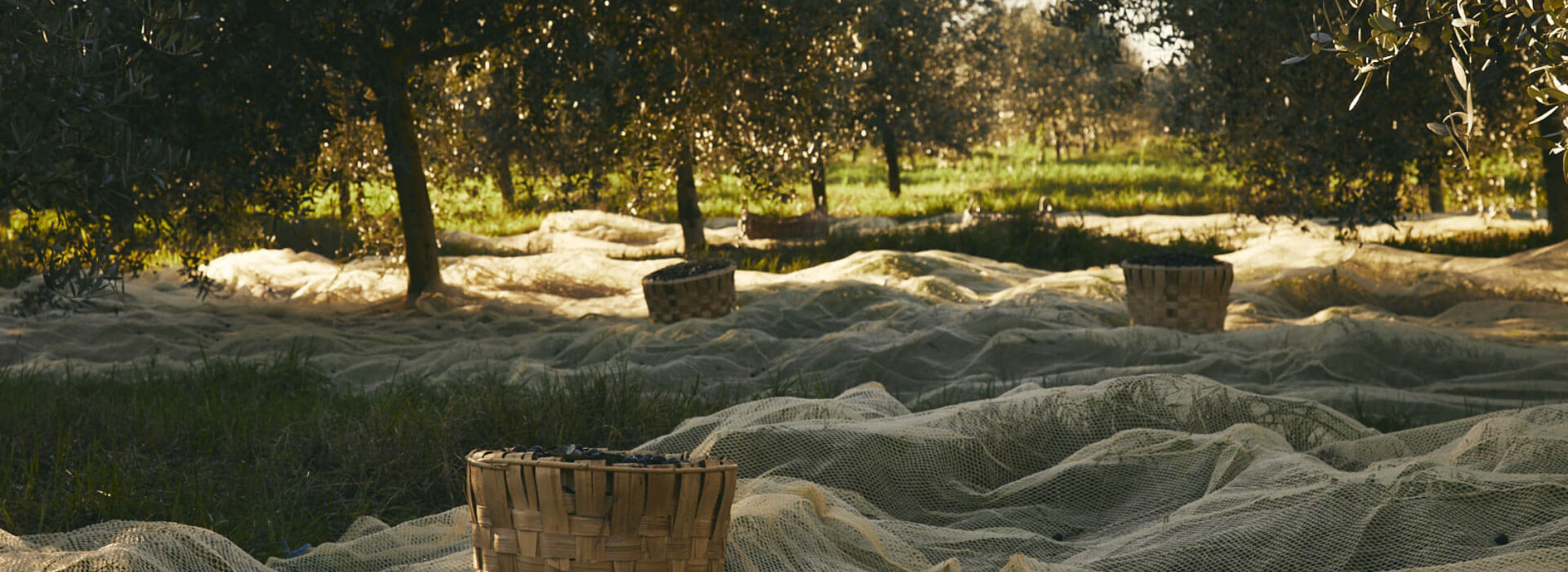
The olive harvest occurs every year when the olives achieve their peak weight, are gently ripened and become plump with oil. There are several ways to harvest olives, from handpicking to automated processes. Whatever the method, the olives are collected in nets spread beneath the olive trees, and then taken to a mill the same day they’re picked.

2. Crushing

We create an olive paste by crushing the whole fruit, and then press it again to release the oil. (This process requires no heat, so it’s called "cold-pressing.") After a natural filtration process removes sediment and water, the oil is ready for inspection.

3. Selecting

Filippo Berio’s Olive Oil Masters receive samples from the finest olive producing areas in Italy and throughout the Mediterranean. From these samples, they hand select only the best oils. After their final selections are made, the oils are ready for an official tasting.

4. Tasting

Tasting is conducted by our panel of Olive Oil Masters, each of whom has decades of experience. They sample and classify each oil according to its nuances and subtleties, determining which are worthy of the Filippo Berio® label. The panel tastes over 6,000 samples of olive oil every year, but only 6% pass Filippo Berio’s strict taste standards of authenticity, quality and purity.

Taste testing the olive oil
5. Analyzing

We conduct analysis throughout the production process to ensure authenticity, quality and purity of all Filippo Berio® Olive Oil products. This stringent analysis is performed according to standards set by the European Economic Community and the International Olive Oil Council.

Refining the olive oil
6. Refining

Here is the step that perfects Olive Oil and Extra Light Olive Oil. Both are carefully refined, then blended with Filippo Berio® Extra Virgin Olive Oil to achieve the ideal color, taste, aroma and other characteristics associated with each variety.

7. Blending

This step ensures that each Filippo Berio® Olive Oil exhibits its own unique set of tastes and characteristics. Blending oils with distinctive flavor notes (fruity, sweet, bitter, peppery) to achieve perfect harmony is truly an art form — which is why Filippo Berio’s master blenders are famous around the world.

8. Packing

Packing is our final step. Before the oil is exported, it is packaged in glass, tin or plastic through an automated, strictly controlled process designed specifically to ensure the purity of all Filippo Berio® Olive Oil products.

Olive oil from Lucca province in Tuscany, Italy has long been revered for its mild, fruity taste. How long? Take a look at its history.

4000 B.C.

Among the first written records of olive oil are inventory logs carried by ancient trading ships. These ships transported olive oil along their many routes through the Mediterranean. Introduced to Greece as a luxurious import, olive oil is prized not only as a food, but also as a beauty treatment, and as a lightly scented fuel for lamps.

900s

The Roman Empire spreads civilization, and the cultivation of olive groves, throughout southern Europe. The importance of olive oil is so significant that the Empire's southern regions are organized around olive oil provinces.

1100s

Tuscany becomes a renowned region for cultivation of olive trees. Strict laws regulate the cultivation of the olives and the commerce of oil—laws that are still followed today.

1400s

Italy becomes the greatest producer of olive oil in the world, offering an extraordinary, great-tasting oil that graces Renaissance tables across Europe.

1700s

Franciscan missionaries introduce the first olive trees to the New World.

1800s

Olive oil makes its commercial debut in the Americas as Italian and Greek immigrants demand its import from Europe (one successful Tuscan exporter: 21-year-old Filippo Berio). Initially an ethnic specialty, olive oil is soon embraced by mainstream American cooks.

1900s

American scientists publish several nutritional articles citing a definite link between the "Mediterranean Diet" and lower incidences of health problems.

2000s

Olive oil continues to grow in popularity, and plays a part in cuisines of virtually every culture. There are over 800 million olive trees in the world today, with more being planted every day!

Filippo Berio® Olive Oil is now sold in over 60 countries around the globe. Crafted by a small Italian family in Lucca, and enjoyed by millions of consumers worldwide.